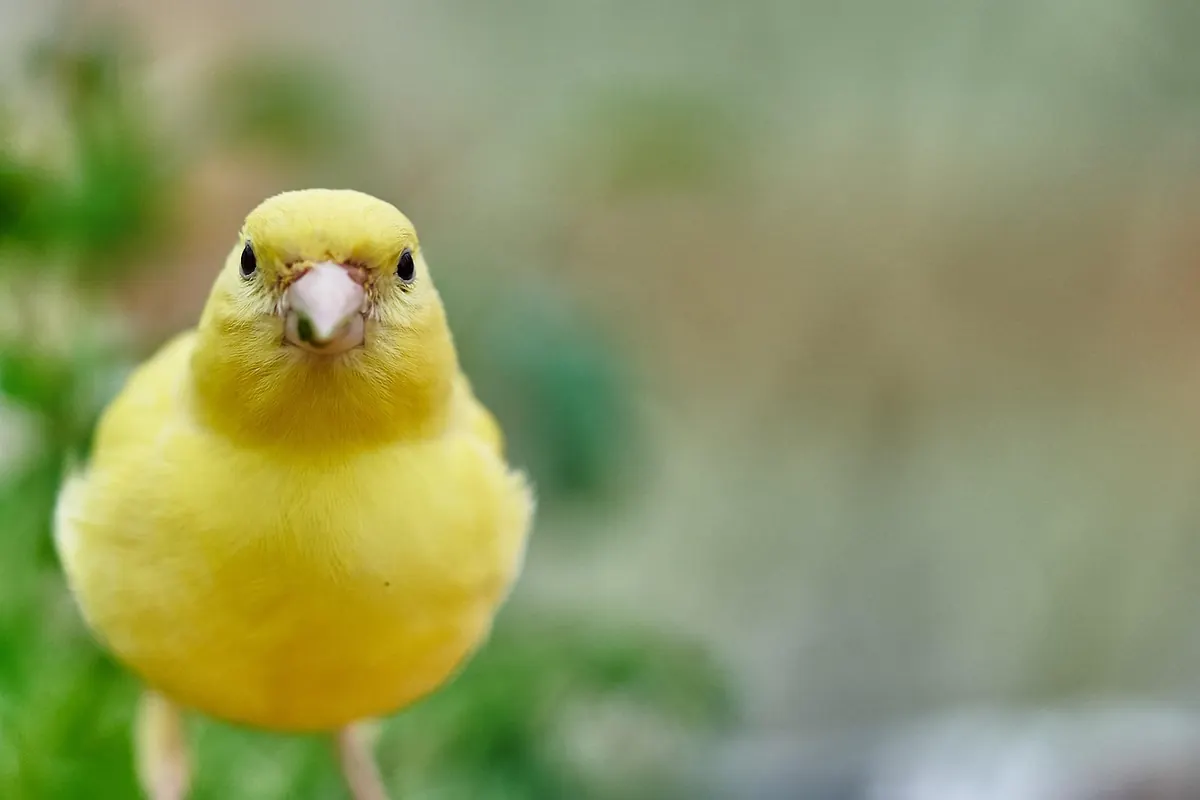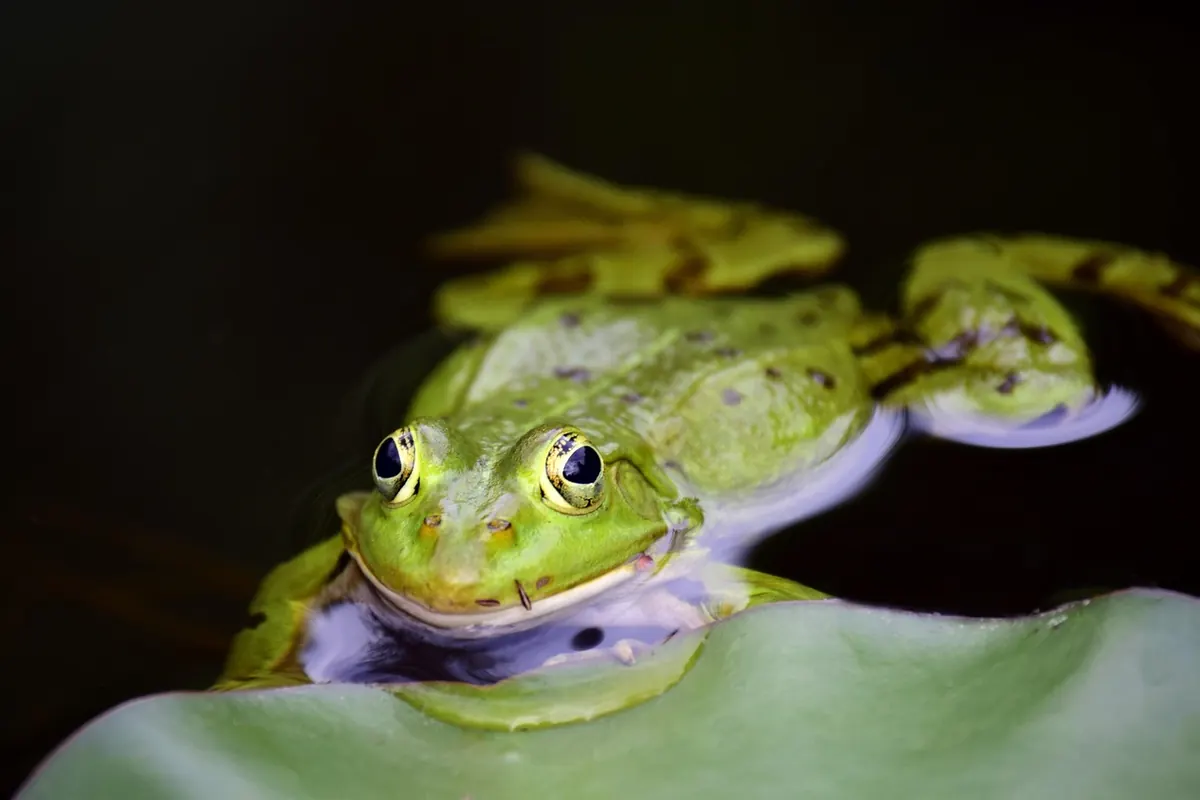
A pond is the single best piece of habitat you can add to a garden. It gives birds somewhere to drink and bathe, supplies insects through the breeding season, and draws in frogs, newts and dragonflies that would otherwise pass your patch by. You do not need much room or much money — a sunken washing-up bowl, a half barrel or a lined hollow two metres across will all do the job. What matters is how you plan it, how you plant it, and how little you interfere afterwards.
Why birds need water all year round
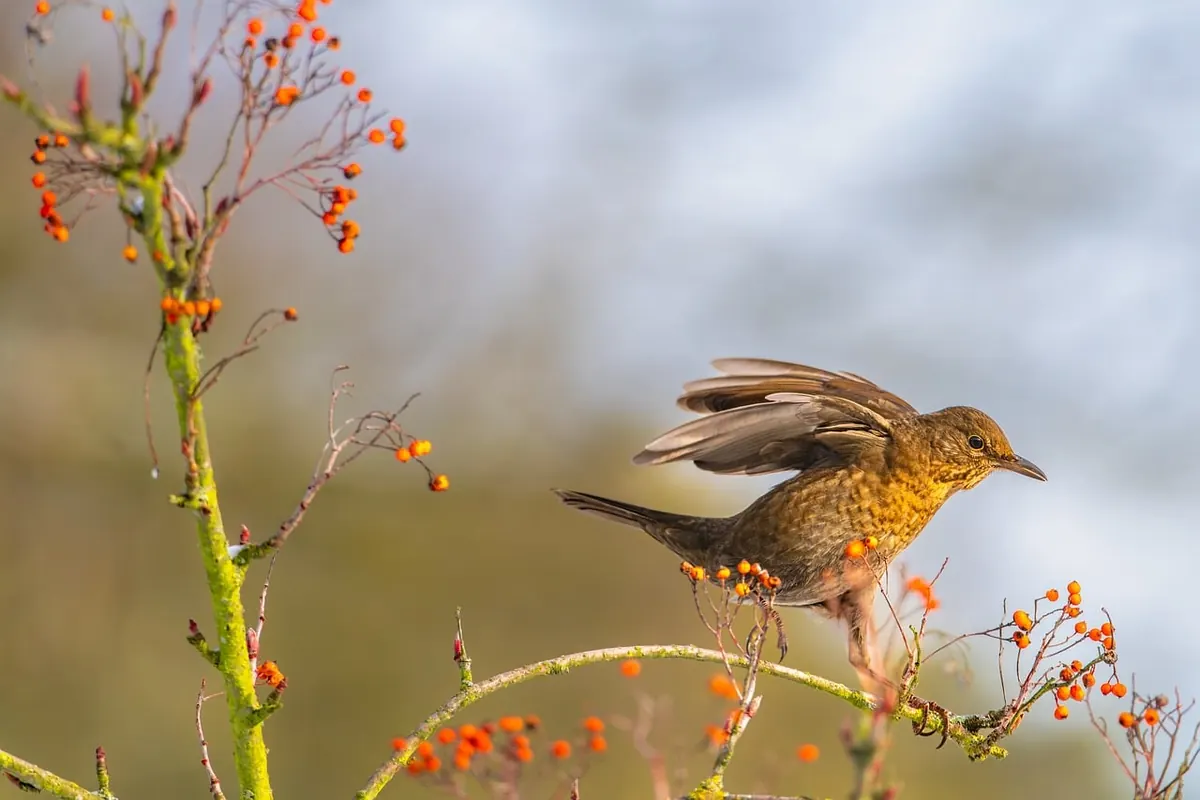
Bathing is not a luxury for birds. Feathers only insulate and shed rain properly when they are clean and supple, so a reliable supply of shallow water matters in January as much as in July. A pond with gently sloping edges lets blackbirds, robins, house sparrows and blue tits wade in to belly depth and splash without drowning, while starlings tend to arrive in a noisy crowd and take over entirely.
The insect life matters just as much. A pond produces midges, caddisflies, damselflies and mayflies in staggering numbers, and those emergences feed swallows, house martins, pied wagtails and, most importantly, growing chicks in late spring. Frogs and newts earn their keep too, working the borders for slugs and beetles. Once the pond has settled, you will find birds visiting several times a day, often following the same route along a hedge or fence.
Choosing the right spot
Pick somewhere with sun for at least half the day. Warmth drives plant growth and insect activity, and a pond in permanent shade tends to sulk. Position it within a couple of metres of a shrub, hedge or long grass so birds have cover to retreat to after bathing — a pond in the middle of open lawn will be used far less.
Avoid the drip line of a deciduous tree; falling leaves are the main reason ponds turn green and soupy. Choose ground that does not sit waterlogged through winter, because groundwater can build up beneath a liner and push it upwards. Keep the pond visible from a window, which is the whole point of having one, and be sensible about safety: if there are small children about, fence it or wait a few years, since even shallow water is a hazard.
Size, shape and depth
Bigger is easier to keep balanced, but a pond 1.5 to 2 metres across is plenty for a small garden. Aim for 45 to 60 centimetres at the deepest point so that frogs and newts can overwinter in the mud below the ice, and build in shallow shelves 10 to 20 centimetres deep and 30 to 40 centimetres wide for plants and bathing.
Aim for a natural, irregular outline with at least one gently sloping side, or add a ramp of stones in a corner. Hedgehogs, frogs and fledglings all drown in ponds with sheer sides. Butyl liner is flexible, hard-wearing and the simplest option; if you use it, line the hole with sand or old carpet underlay to protect it from stones, allow a generous overhang, and tuck the edges under turf and slabs so the plastic disappears. Fill with rainwater from a water butt if you can — it avoids the nutrients and chemicals in tap water that feed algae.
Planting in layers
Think of the pond as three zones, and plant all of them. Native plants support far more insect life than exotic ones, and they need no feeding.
- Margins (0–10cm deep): marsh marigold, water forget-me-not, lesser spearwort, ragged robin, flowering rush.
- Open water (20–40cm): a small water lily, amphibious bistort, and an oxygenator such as hornwort to keep the water clear.
- Boggy ground around the edge: purple loosestrife, meadowsweet, yellow flag iris, soft rush and lady's smock.
Plant in baskets of ordinary garden soil topped with gravel, or simply tuck marginals straight into the shallows. Leave at least half the surface as open water — a pond covered in vegetation looks lovely and is almost useless to birds. Steer clear of the thugs, too: floating pennywort, parrot's feather and water fern spread alarmingly fast, cause real problems in British waterways, and should never be introduced.
Building life around the edges
The water is only half the habitat. Leave a patch of long grass and nettles nearby, stack a few logs and stones in a quiet corner, and let leaf litter gather under the shrubs. These damp, tangled places are where frogs spend the summer, where insects shelter over winter, and where birds hunt for grubs. A flat stone set at the water's edge makes an ideal drinking platform, and a small pile of gravel or pebbles allows anything that falls in to climb out.
Looking after it lightly
Ponds reward neglect. A few simple jobs across the year are enough.
- Spring: twirl excess blanketweed out with a stick and leave it on the edge overnight, so the creatures caught up in it can crawl back.
- Summer: top up with rainwater during dry spells, keeping the level steady so marginal plants do not dry out.
- Autumn: rake out fallen leaves before they rot, but leave a few in the shallows as shelter.
- Winter: never break the ice — the shock can kill amphibians. Rest a pan of hot water on the surface to melt a hole instead, which also gives birds somewhere to drink.
Do not add fish, which eat tadpoles and stir up sediment; do not use chemicals or fertiliser near the pond; and do not "clean it out" or move frogspawn in from elsewhere, which risks spreading disease. Green water in the first spring is normal and usually clears as plants establish.
Start small and let it settle
Sink a washing-up bowl into a border, add a stone ramp and two or three native marginals, fill it with rainwater and leave it alone. Birds will find it within weeks, and the insects will follow. A larger lined pond takes a season or two to find its balance, so resist the urge to fuss. Sit a couple of metres back with binoculars on a warm morning and watch the queue form — that is the real reward for an afternoon's digging.
Photo: ulleo / Pixabay