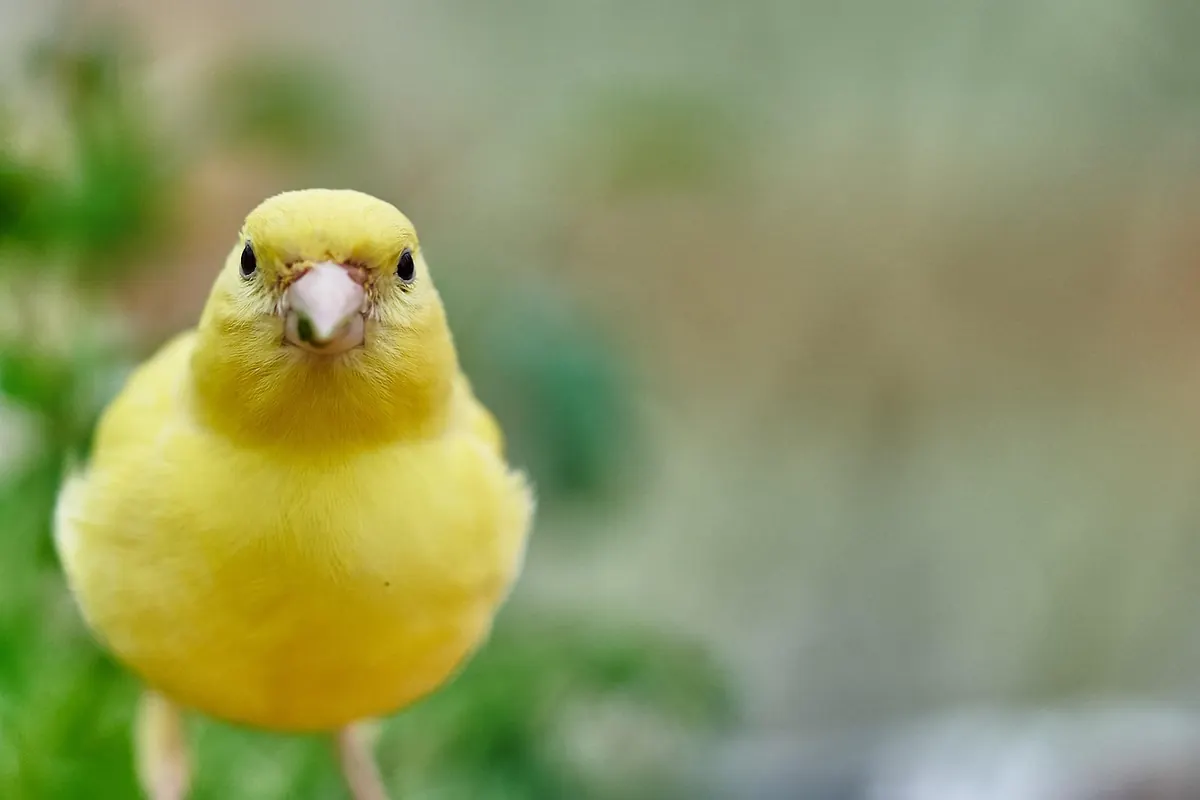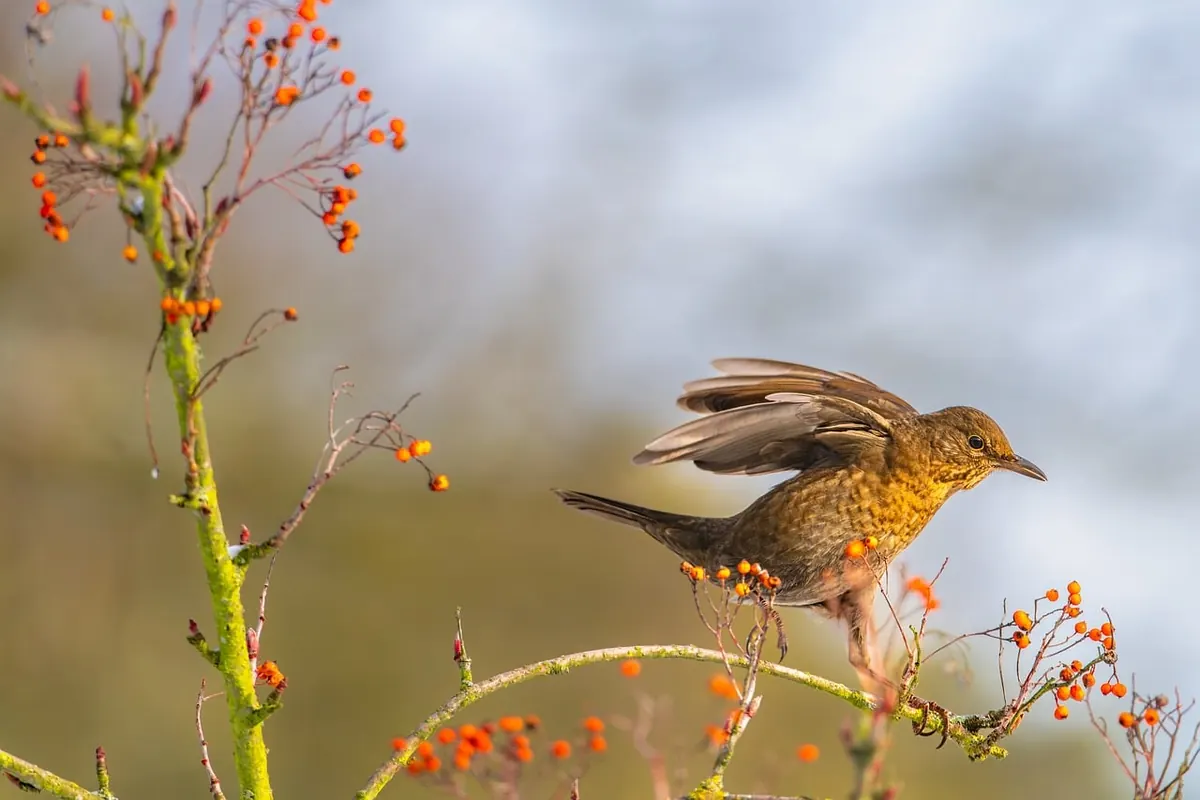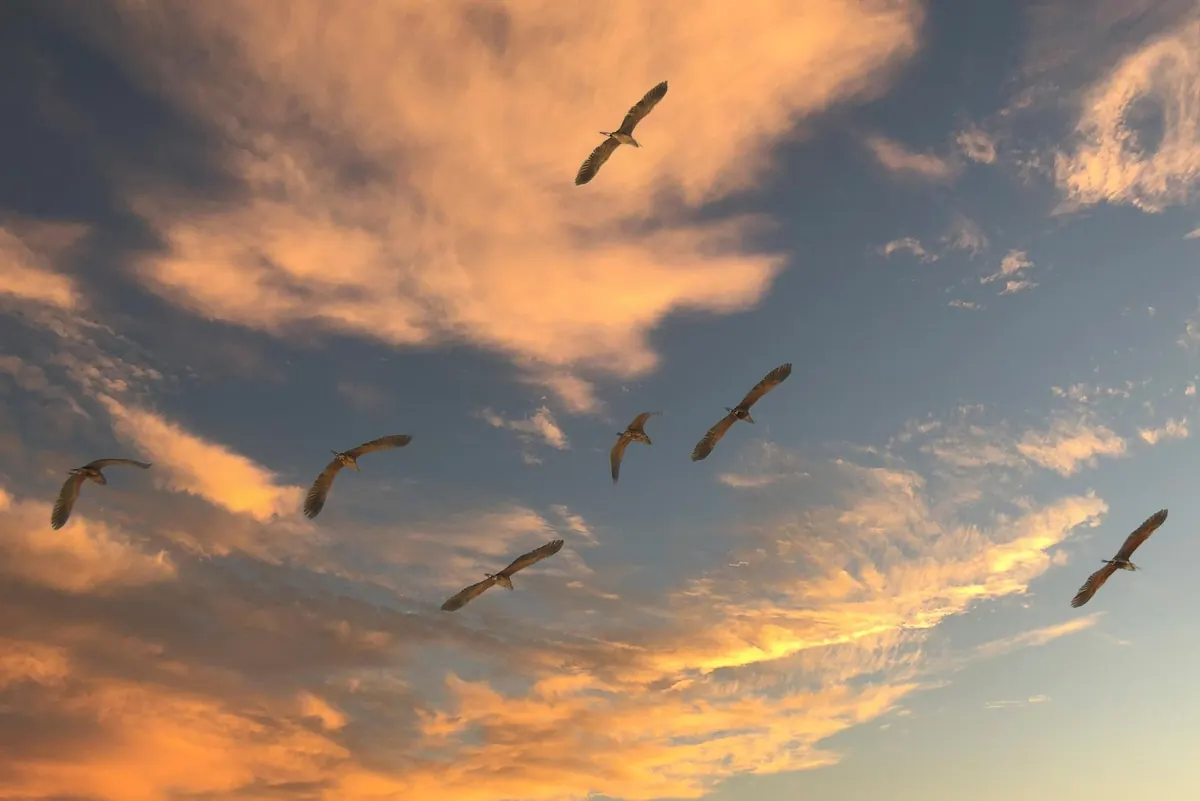
On a still morning in late April, a willow warbler can turn up in a suburban garden as if it had been dropped from the sky. A week later it has gone, and the leaves look just the same. That small arrival is part of something vast: the seasonal movement of birds through, into and out of Britain. Once you understand the timing and the weather behind it, an ordinary walk along a coast path starts to feel like a treasure hunt with a decent chance of a prize.
Why Birds Migrate Through Britain
Migration is mostly about food, and food is mostly about daylight. In spring, birds head north to breed where the days are long and insect life erupts in response. Longer evenings mean more feeding hours for hungry chicks, and the northern summer offers space that crowded wintering grounds cannot. Britain sits on the western edge of a huge migratory system that runs from Africa and southern Europe up through Scandinavia and into the Arctic.
Come autumn, the logic reverses. Insects disappear, seeds run short and the days shorten, so birds drift back towards milder conditions where food stays available. Different species fit into that pattern in different ways:
- Summer visitors — swallows, house martins, swifts, cuckoos and most of our warblers. They breed here and spend the winter in Africa or southern Europe.
- Winter visitors — redwings, fieldfares, bramblings, pink-footed geese, whooper swans and huge numbers of waders. They arrive in autumn and leave again in spring.
- Passage migrants — birds that treat Britain as a service station, such as wheatears, ring ouzels and common sandpipers, stopping to feed before pushing on.
- Partial migrants — species where some individuals stay and others move, often depending on how hard the winter bites. Hard-weather movements of skylarks, lapwings and golden plovers are worth watching for after a cold snap.
Spring Passage: Arrival Against the Clock
Spring builds in waves. Chiffchaffs and the first wheatears appear in March, often before the weather looks remotely spring-like. Sand martins follow, then swallows and willow warblers through April. Swifts arrive last, typically late April into May, with spotted flycatchers and turtle doves close behind.
Early in the season, coastal headlands matter most. Birds arriving from the south hit the first land they find and often stay put if conditions are against them, so a windy Cornish or Pembrokeshire headland in late March can hold dozens of wheatears and pipits in a single field. On calm, clear mornings, look up as well as down: visible migration — "vis-mig" to those who count it — shows as loose flocks of meadow pipits, wagtails and finches streaming north overhead in the first hour after dawn.
Autumn: The Long Draught
Autumn is the better season for sheer variety, and it starts surprisingly early. Waders are already moving in July, with green and wood sandpipers filtering through freshwater edges. By August, terns and warblers are on the move; September and October bring thrushes, finches and the chance of something rarer from the east.
Late autumn belongs to the sea. Once gales and onshore winds set in, seawatching from a west or east coast headland can produce a steady passage of divers, grebes, auks and gulls, with scarcer seabirds sometimes pushed close to shore. Winter visitors such as brent geese, whooper swans and redwings arrive through October and November, and the season quietly hands over to winter birding.
How the Weather Decides Your Day
Birds are not indifferent to the forecast, and neither should you be. Most migrants prefer to travel on light tailwinds and will wait for them. A change in wind direction can transform a quiet headland into a busy one overnight.
- Spring southerlies help birds move north quickly — good for arrivals, but the birds may pass straight through.
- Spring northerlies block progress and concentrate birds on the south and east coasts. This is when headlands produce memorable falls.
- Rain and showers force tired migrants down, especially on the east coast after an easterly airflow.
- Autumn easterlies, typically with high pressure sitting over Scandinavia, bring drift migrants from the continent: yellow-browed warblers, red-breasted flycatchers and, if you are very lucky, something rarer still.
- Calm, clear nights mean heavy departures at dawn, so get out early — the first two hours are often the best of the day.
- Gales and onshore winds are the cue for seawatching, particularly in late autumn.
Where to Watch: The Best UK Hotspots
The East Coast
In autumn, the east coast is the main landing line for birds arriving from Scandinavia and Siberia. Spurn Point in Yorkshire, Flamborough Head, Gibraltar Point in Lincolnshire, Holme-next-the-Sea and Cley in Norfolk, Minsmere and Landguard in Suffolk, and Dungeness in Kent all come into their own after easterly winds with mist or drizzle. In Scotland, the Isle of May, Fife Ness and, further north, Fair Isle and North Ronaldsay are in a class of their own.
The South and West
Spring is where the south-west shines. Portland Bill, Chesil Beach, Berry Head and Prawle Point all catch arriving migrants, while the Isles of Scilly and the Welsh islands of Bardsey, Skokholm and Skomer are classic autumn destinations for scarce and rare birds. Pendeen and St Ives are popular for seawatching when the Atlantic is stirred up.
Wetlands and Estuaries
For winter visitors, head inland or to the coast. The Wash, the Ouse Washes, the Dee Estuary, Strangford Lough, Montrose Basin and the large wetland reserves such as Slimbridge and Martin Mere hold impressive concentrations of geese, swans and waders through the colder months.
Fieldcraft: Getting More From a Passage Day
- Check the forecast the night before, noting wind direction overnight and whether rain is expected at first light.
- Be on site at dawn, or as close to it as you can manage. Passage often tails off sharply by mid-morning.
- Work sheltered, vegetated spots — hedges, sycamores, overgrown gardens — rather than open fields. Tired migrants head for cover.
- Listen. Many migrants are heard before they are seen, and calls overhead are the easiest way to record a movement.
- Keep a few notes: date, wind, species and rough counts. Patterns emerge over a couple of seasons and will sharpen your judgement of which day to go out.
Plan Around the Forecast, Not the Calendar
Pick your season, then let the weather choose the day and the place. For spring, favour a south or east coast headland after a spell of northerly winds. For autumn, watch for easterlies and get to the east coast while the conditions hold. In winter, an estuary or wetland at high tide will beat a random walk almost every time.
Take waterproofs, warm layers and binoculars, and be prepared to stand still in a cold wind for longer than you intended. Give tired migrants space — a bird that has just crossed the North Sea needs rest more than it needs a close approach, so watch from a distance and let it feed. Do that, and the quiet mornings will start paying you back.